A written review is a sentence from a stranger. A video review is a person — their face, their voice, the slight pause before they say the thing they actually mean. It is the most persuasive content a business can own, and most businesses never film one because they think it needs a crew.
Why written reviews stopped working
Everyone has five stars now. A wall of five-star text reviews reads as background noise, and a meaningful number of people assume some of them are bought. A customer on camera cannot be faked cheaply, and viewers know it. The awkwardness, the real kitchen behind them, the way they search for a word — those are the signals that it happened.
Six questions that get real answers
Never ask “would you recommend us?” — the answer is a nod. Ask about the experience and let the recommendation come out on its own.
- “What was going on that made you look for someone in the first place?”
- “What were you worried about before you got in touch?”
- “What was the first day like?”
- “Was there a moment where you thought, okay, this is going to be fine?”
- “What has changed since?”
- “If a friend was in the same position you were, what would you tell them?”
The last question is where the testimonial usually is. People say things to a friend they would never say to a camera.
Setting up in ten minutes
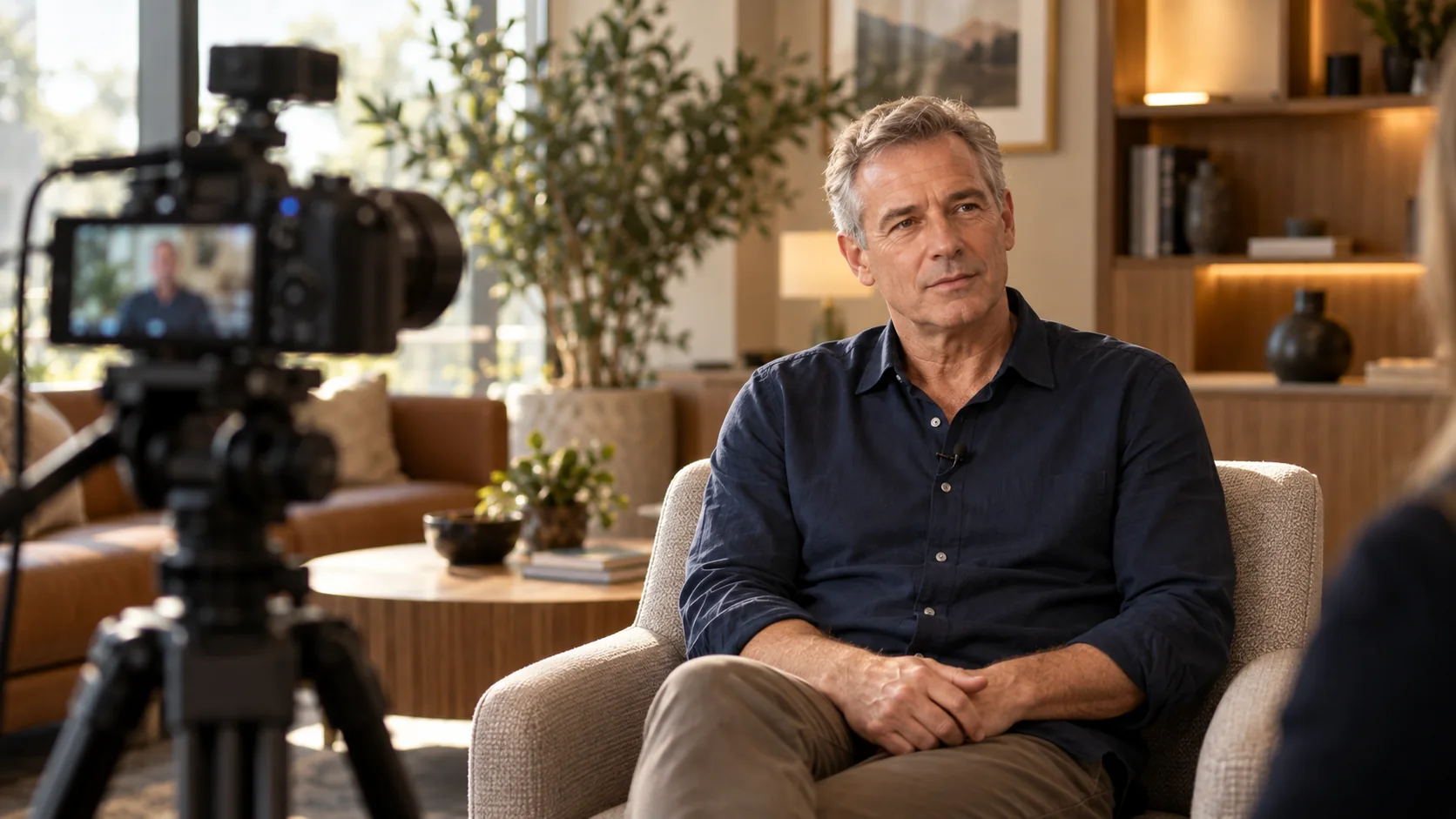
- Their place, not yours. A customer in their own home, shop or site looks like a customer. A customer in your office looks like an employee.
- Window light from the front or side. Never behind them.
- Somewhere quiet. Sound matters more than picture. Turn off the fridge if you have to.
- Sit them slightly off-centre and have them look at you, not the lens. You stand just beside the camera.
- Talk first. Two minutes of normal conversation before you press record loosens everyone up.
A phone on a small tripod with a clip-on microphone does this job perfectly well. The setup is not the hard part.
Editing without making it fake
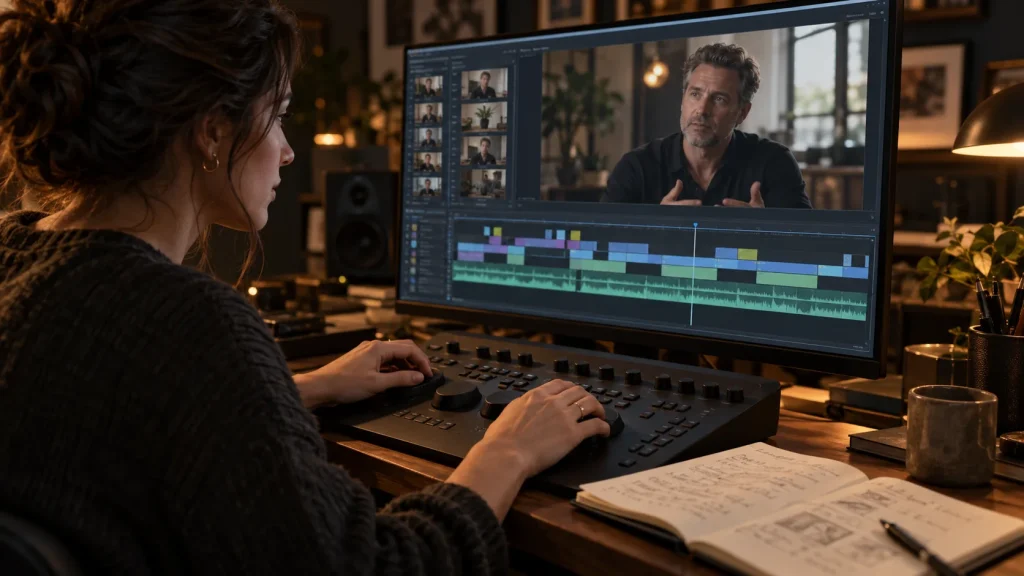
The temptation is to cut every pause and stitch the best sentences together. Do that and it starts to sound like a script, which defeats the point. Keep some of the thinking. Keep the laugh. Cut the tangents and the false starts, but leave the person intact.
Two things worth adding: captions, because most people watch with the sound off, and a title card with the customer’s first name and what they hired you for. Nothing else. No music that swells, no slow-motion, no logo animation. The customer is the content.
Where each cut goes
One interview produces four things: a 60 to 90-second version for the website and Google Business Profile, a 20 to 30-second vertical for Reels and Stories, a 15-second clip for use as an ad, and the full uncut version to keep on file. Put the long one on the service page the customer bought, not on a generic testimonials page nobody visits.
Frequently asked questions
What if my customer is nervous on camera?
Almost everyone is. Keep the camera small, keep talking to them like a person, and record more than you need. The good bits come after the first few minutes when they forget it is on.
Should I offer them something for doing it?
A thank-you is fine. Payment changes what it is — and if it comes out later, it undoes the trust the video was meant to build.
Can you film testimonials for us?
Yes, and it is one of the best-value things we do. Testimonials are usually filmed on the last day of a project while the experience is fresh, and cost far less than a standalone shoot.
Do we need a release form?
Yes, a simple one. Written permission to use their words and likeness in your marketing. We provide one.